 Philippe Genois
SaaS is not dead, but one kind of SaaS is in real trouble: the seat-priced point tool that holds one slice of your customer data and needs Zapier to talk to everything else. Specialist software such as accounting and payroll stays, and so does the infrastructure every app runs on. What replaces the point tools is one app per company, built around how it works, with AI bots doing the admin that people used to do between tools.
I run a software company, so I have a stake in this question. Alori is itself sold as a subscription. This is my read on what AI changes for the software a 10 to 100 person company buys, and what it doesn't.
Why are people saying SaaS is dead?
People who say it start from the fact that most business software is a screen on top of a database. You pay per person to look at the screen and type into it. If an AI agent can read the data and do the task itself, you need fewer screens, fewer people typing and fewer subscriptions. On top of that, AI made it cheap to build software, so a company can have an app shaped around its own work instead of renting a generic one.
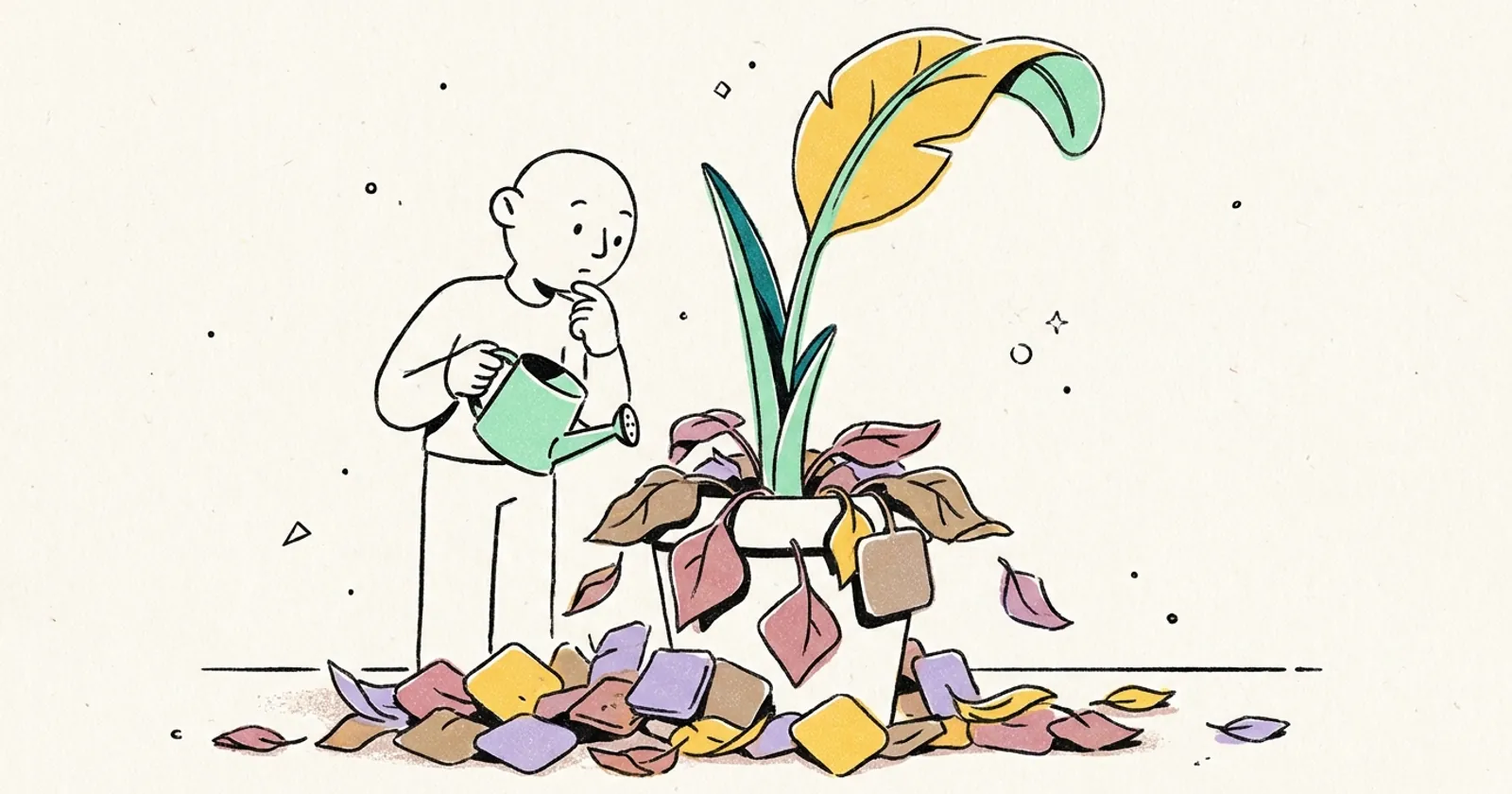
Both halves of that argument are partly right, and both get overstated. Agents still need somewhere to keep the data and rules about what they may touch. Software that is cheap to build is still expensive to keep running, as many founders found after building internal tools with Lovable or Replit: the first version took a weekend, and the integrations, hosting and fixes after each change took the months after.
What part of SaaS is actually dying?
Seat pricing for work a bot now does
Per-seat pricing made sense when every unit of work needed a person at a screen. When a support bot answers most chats, or a sales bot drafts the follow-ups, paying per human seat stops matching what you get. Seats also punish growth: every hire raises the bill on every tool at once. Per-seat pricing is a tax on growth does the math with a worked example.
Point tools whose only job is to hold one slice of the customer
A CRM holds deals, a phone app holds calls, a help desk holds chats and a meeting recorder holds notes. Each is fine alone. Together they split the customer into five records that never agree. When the value of software moves toward AI doing the work, the tool that sees the whole customer wins, because a bot that can't see the deal, the last call and the open invoice gives generic answers.
Glue work
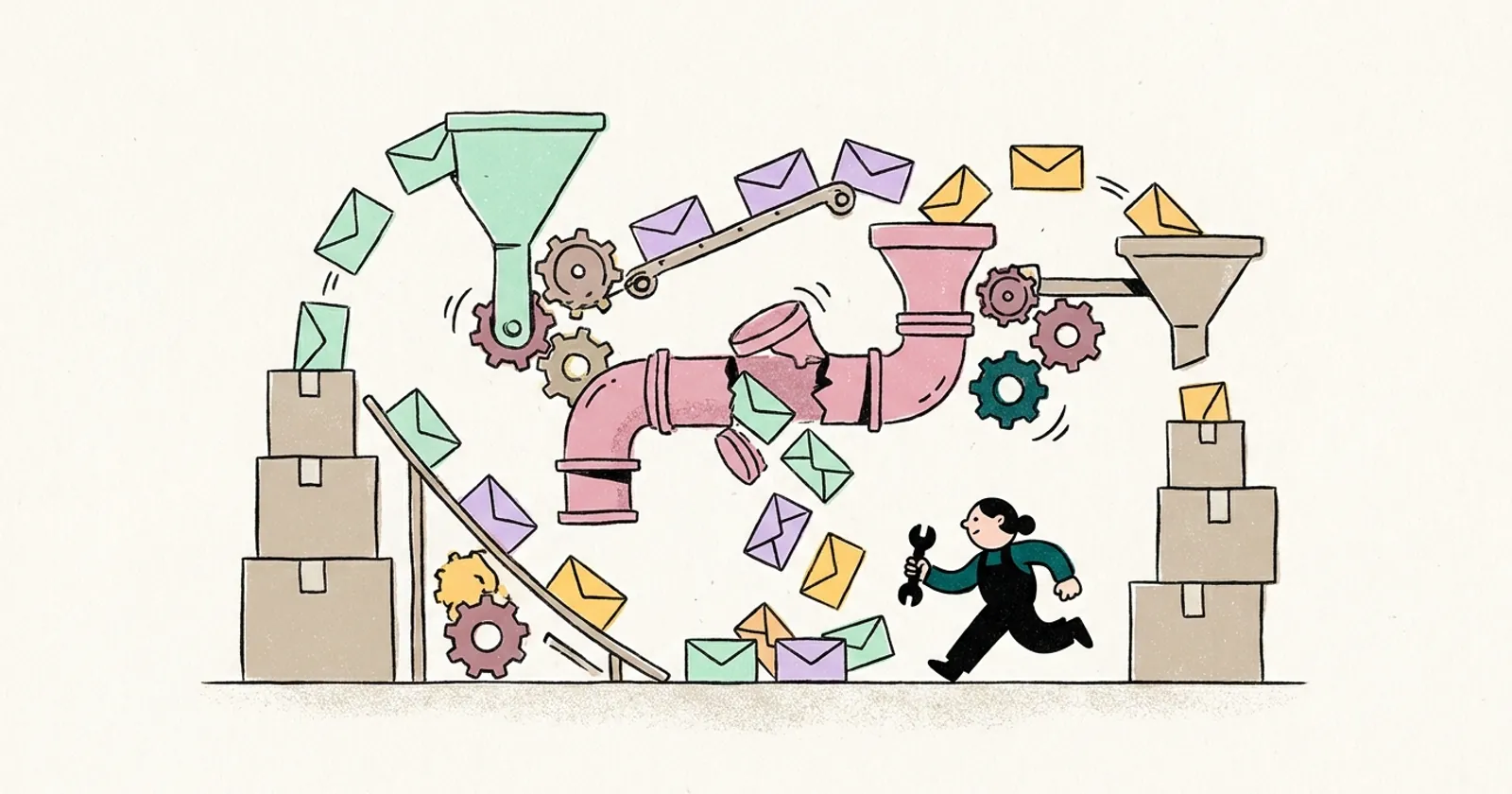
The Zaps, the CSV exports on Fridays and the person who knows how it all connects exist only because the tools are separate. That work disappears when the data lives in one place. Zapier is breaking explains why those setups get more fragile as a company grows.
What part of SaaS stays?
Accounting, payroll and tax
These have rules, filings, deadlines and real liability. Dedicated tools do this well, and an AI-first app has no reason to rebuild it. Alori connects to QuickBooks and leaves accounting and payroll to the tools made for them.
Infrastructure
Cloud hosting, databases, payment processing, email delivery and phone carriers sit underneath every app, including the ones that replace point tools. Alori itself runs on top of providers like these.
Deep specialist tools
If your engineers live in a code platform or your designers in a design tool, those products do one hard thing that has little to do with the customer record, so keep them.
What replaces the rest?
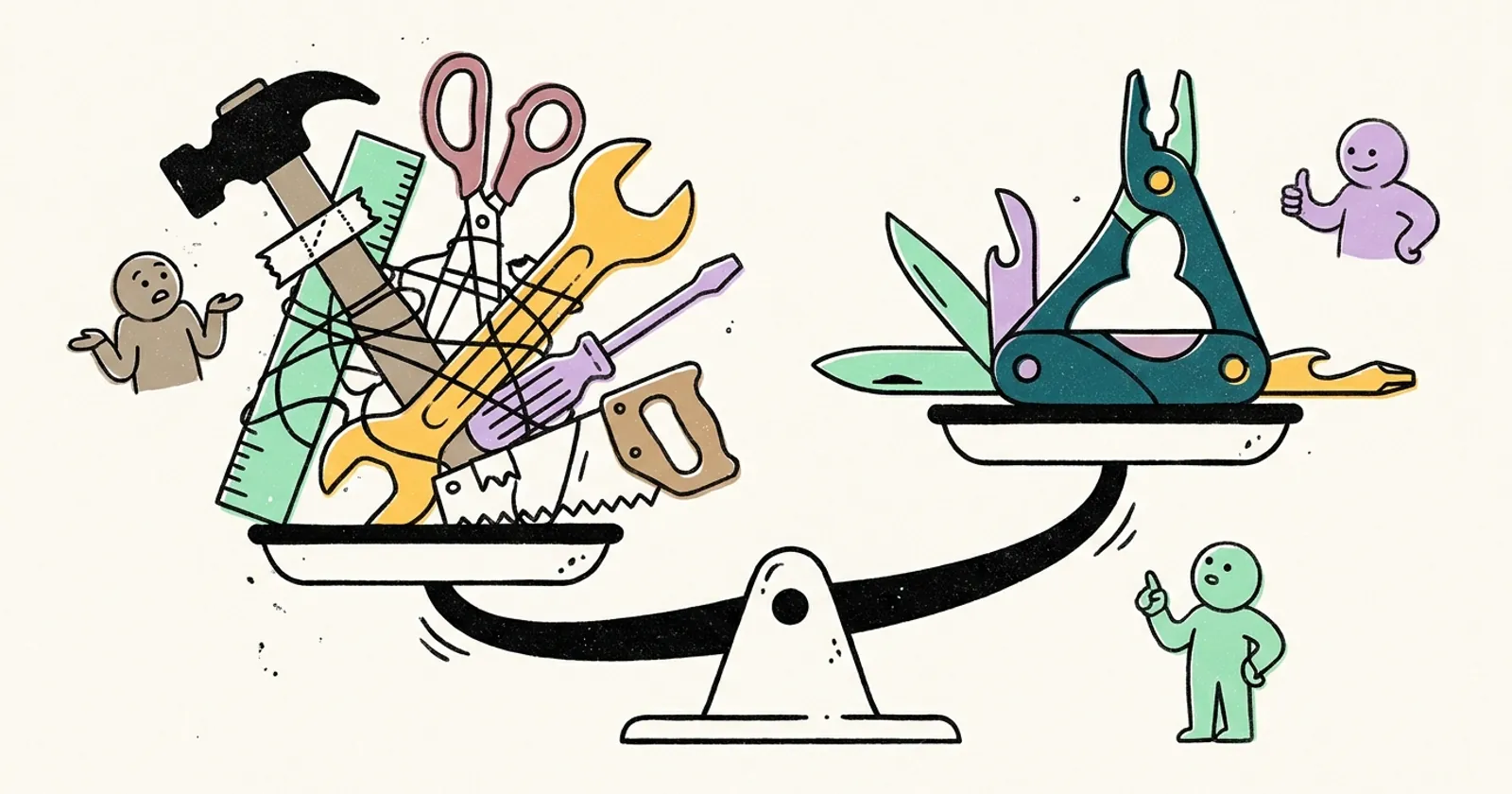
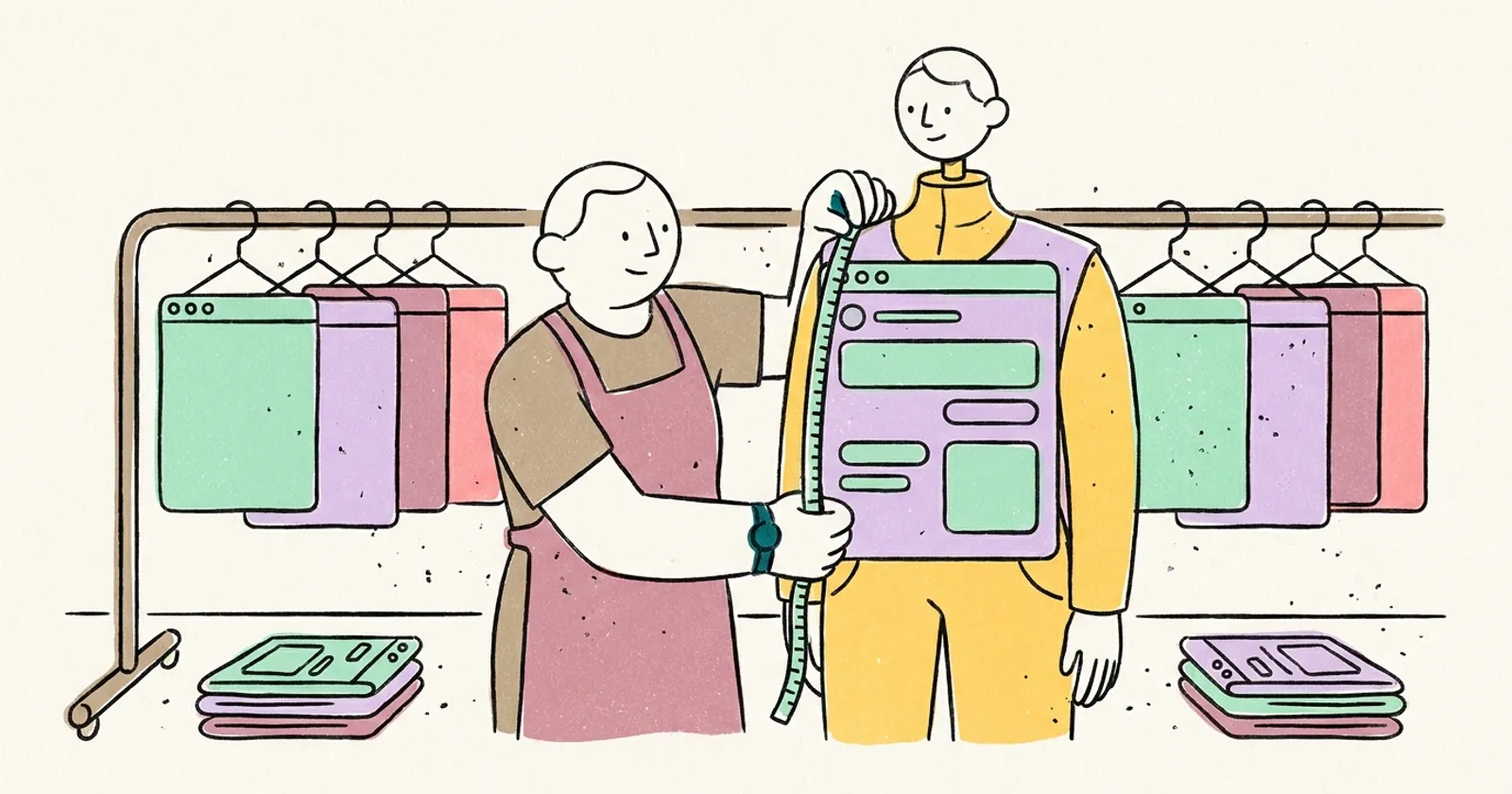
One app per company. It's built from ready-made modules (CRM, calls and texts, support chat, meeting notes, invoices, scheduling, team chat), set up around how the company works, and changed by asking for what you need in plain words. AI bots work inside it with access to the full customer history. The future of SaaS describes what this looks like day to day.
Here is how I'd sort a typical stack for a software company or agency:
| Category | Outlook | Why |
|---|---|---|
| CRM, pipelines, quotes | Folds into one app | Core of the customer record |
| Phone and texting | Folds into one app | Calls belong on the customer's record |
| Support chat and help center | Folds into one app | Bots answer best with the full history |
| Meeting recording and notes | Folds into one app | Notes belong on the deal they came from |
| Email campaigns and scheduling | Folds into one app | Both run on the same contacts |
| Team chat | Folds into one app | Conversations about customers sit next to them |
| Automation glue (Zaps) | Mostly disappears | Nothing left to connect |
| Accounting and payroll | Stays specialist | Rules, filings, liability |
| Cloud, payments, email delivery | Stays infrastructure | Everything runs on it |
| Engineering and design tools | Stays specialist | Unrelated to the customer record |
Doesn't "vibe coding" make SaaS unnecessary?
Building your own tools with an AI coding tool works for a prototype or a small internal screen. For the software a team runs on every day, most of the work comes after: hosting it, keeping customer data safe, wiring phone and email providers, and fixing what breaks when you change something. Most companies don't want to staff that. Custom software vs SaaS and Alori vs Lovable compare the options in detail.
The middle path is a platform that hosts and maintains ready-made modules for you, lets you shape them around your business, and takes care of the parts that break.
Is "AI replacing SaaS" another hype cycle?
Partly. Plenty of products will add a chat box and call it AI. A simple test for any AI feature you're paying for: does it finish a task end to end that someone on your team does today, and can you see what it did? Answering a customer's support chat with the right answer, from the help center and their account, passes. A summary nobody reads doesn't.
At InputKit, a 15-person software company with 2,000 service-business customers, three bots passed that test. Leo preps demos and drafts follow-ups, and reps spend 60% less time on admin. Nora answers almost every chat and email on the website, in the app, on Instagram and on Facebook. Iris keeps the help center current, work that used to take close to one full-time person. The InputKit case study has the details.
What should you do with your stack this year?
- List every tool, what it costs, how it charges (per seat, per contact, per task) and its renewal date. The software stack audit has a template.
- Mark each one with the table above: folds in, disappears or stays.
- Avoid multi-year renewals on the tools that fold in. A one-year term keeps your options open.
- Pick the tool with the most glue around it (usually the CRM or the phone system) and test the move: import its data into one app and run both side by side for a couple of weeks.
- Move the rest one at a time, and only cancel after you've exported everything (checklist here).
SaaS consolidation covers the full plan.
Frequently asked questions
Is SaaS dead?
No. Seat-priced point tools and the glue work between them are being replaced by one app per company with AI bots inside it. Accounting, payroll, infrastructure and deep specialist tools stay.
Will AI replace SaaS companies?
AI will replace many point tools whose main value is a screen over one slice of data. It won't replace software with hard rules or real liability, such as accounting and payroll, or the cloud services that everything runs on.
Is Alori a SaaS?
Yes, you subscribe to it. What you get is one all-in-one app around how your company works, with unlimited users on every plan and no fee per seat, instead of a dozen tools billed per person. Companies that switch can cut their software bill by up to 80%. See the pricing page.
Should I stop buying SaaS tools?
No. Keep the specialists that do one hard job well. Stop adding point tools that each hold a slice of the customer and need glue to work together, and plan to fold the ones you have into one app.
What happens to the data in the tools I replace?
Bring it with you. Alori has one-click imports from HubSpot, Aircall and Intercom (help center included), and a data API for other sources. At InputKit, the HubSpot contacts and deals came over with every email, call, note, task and file in about two hours.
Try the one-app version of your stack
Describe your business and Alori sets up one app around how you work, with your customers, calls, support and deals in one place, and bots that can see all of it. It's free to start, with no credit card. Start free.